
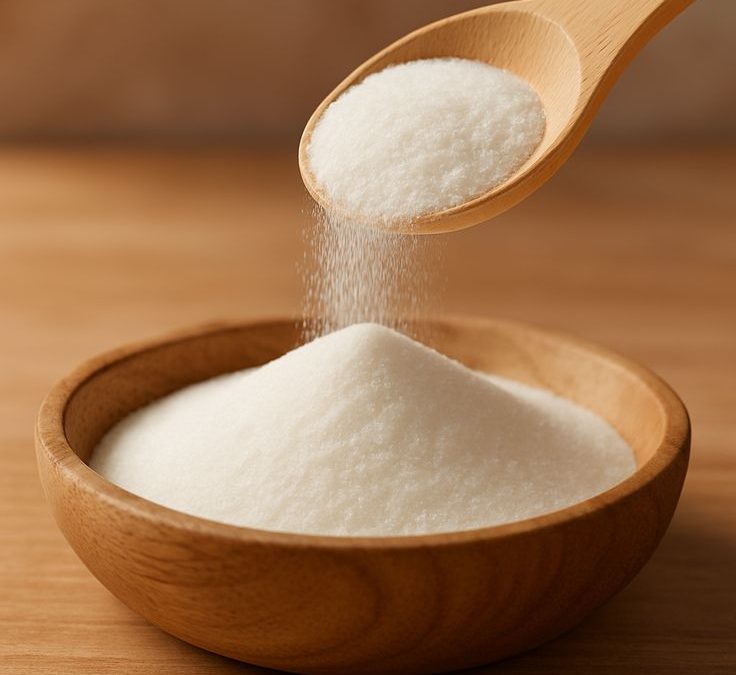
The Future of Sweet: Low Sugar, Full Taste, True Trust
As sugar evolves from a popular ingredient into a health liability, food and drink brands are under growing pressure to reduce sugar content without damaging taste, texture, or consumer trust. Traditional sugar reduction often leads to weak flavor, poor mouthfeel, and unbalanced structure, but today’s innovations offer a more effective solution.
By using rare sugars such as allulose and tagatose, manufacturers can achieve clean, sugar-like sweetness with minimal calories and low glycemic impact. Functional fibers including inulin, resistant dextrin and polydextrose help restore texture, volume and stability lost when sugar is reduced, while also adding prebiotic and dietary fiber benefits.
Meanwhile, fermentation and enzymatic technologies allow brands to convert natural sugars in raw materials into non-digestible fibers, cutting sugar significantly without adding artificial sweeteners. These scientific approaches enable deeper, cleaner reformulation.
However, successful sugar reduction relies on more than just technology. Transparency, clean labels and honest communication are key to maintaining trust. When brands combine great taste, clear labeling and real health benefits, they can successfully cut sugar while keeping products enjoyable and credible.
In short, rebuilding sweetness from the ground up allows the food industry to move beyond the choice between health and taste, creating products that are both healthier and truly satisfying.